







Search Results for: How to Identify Authentic Blue Mountain Coffee
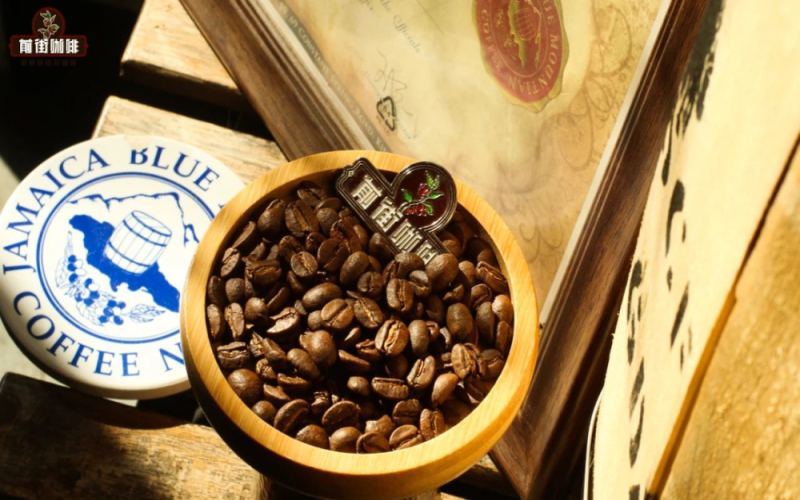
How to Identify Authentic Jamaican Blue Mountain Coffee? A Practical Guide from Barrel Certification to Green Bean Appearance
Blue Mountain coffee comes from the Blue Mountains of Jamaica, grown at elevations between 910 and 1,700 meters. The variety is Typica, and it is famous for its balanced acidity, sweetness, and bitterness, its full, rich body, and its long, lingering finish without any burnt or bitter notes. Because annual production is limited, Blue Mountain No. 1 coffee beans typically sell for 150 to 400 yuan per 100 to 200 grams on the domestic market. Many products are marketed under the label "Blue Mountain flavor" or "Blue Mountain blend" but are not authentic Blue Mountain coffee. Therefore, it is essential to know how to tell real Blue Mountain coffee from fake. This article starts with Front Street Coffee's Jamaican Blue Mountain coffee and explains how to identify it by examining the wooden barrel and certificate, the overall bean size and uniformity of quality, the bean shape, and the color of the green beans, and also includes brewing parameters and a flavor comparison for the washed and natural processing methods. [more…]
The Origin of Jamaican Blue Mountain | How Can Coffee Beginners Identify Authentic Blue Mountain Coffee? What Are the Flavor Characteristics of Blue Mountain No. 1 Coffee Beans?
Recently, a friend asked Front Street whether those large bags of Blue Mountain coffee sold online for just a few dozen yuan are real. Indeed, because the prestige of Blue Mountain coffee is so great, counterfeit products keep emerging. So Front Street will teach everyone how to identify authentic Blue Mountain coffee beans. What counts as authentic Blue Mountain coffee beans? Authentic Blue Mountain coffee must be made from coffee beans. [more…]
How can you identify authentic Blue Mountain coffee? From green bean appearance to cup flavor, an analysis of the essential difference between Blue Mountain and Blue Mountain flavor blends
Blue Mountain coffee is hailed as a legend in the coffee world, but the market is full of mixed quality, making it hard to tell the real from the fake. From the professional perspective of Front Street Coffee, this article teaches you to accurately identify genuine Blue Mountain coffee through four dimensions: the appearance of green beans, the feel when hand-grinding, the aroma performance, and the balance of taste. At the same time, we will also clarify a common misconception: so-called "Blue Mountain flavor" or "Blue Mountain blend" has nothing to do with authentic Blue Mountain coffee. After reading this article, you will understand the unique characteristics of Blue Mountain coffee, learn to avoid low-price traps, and buy Blue Mountain beans that truly live up to the name. [more…]
How to Identify Authentic Front Street Blue Mountain Coffee? A Five-Point Practical Guide from Appearance and Grind to Aroma and Taste
Blue Mountain coffee's fame is almost universally known, yet very few people have actually tasted its authentic flavor. Many believe what they've tried is Blue Mountain, when in reality it may only be a blend. This article systematically outlines practical methods for identifying authentic Front Street Blue Mountain coffee from five perspectives: appearance, grinding feel, aroma performance, flavor layers, and the overall experience during tasting, helping coffee enthusiasts establish clear criteria for judgment in everyday purchasing and tasting, no longer confused by vague marketing claims. [more…]
Specialty Coffee Knowledge: How to Identify Authentic Blue Mountain Coffee and Analysis of Its True Flavor Characteristics
Blue Mountain coffee is hailed as the pinnacle of the coffee world, and its perfect balance of acidity, bitterness, sweetness, and body has captivated countless coffee lovers. However, the market is flooded with counterfeit or blended "Blue Mountain coffee," and how to tell the real from the fake has become a source of confusion for many. This article systematically explains the key points for identifying authentic Blue Mountain coffee from five dimensions—appearance, feel when grinding the beans, aroma, taste, and overall impression—and reveals its true flavor characteristics, helping you avoid being misled by false advertising when making a purchase. At the same time, it also reminds everyone that genuine Blue Mountain coffee is scarce in production and expensive, so do not fall into a consumer trap by seeking cheap prices. [more…]
How to Identify Authentic Blue Mountain Coffee? Learn About These Four Common Imitations and a Four-Step Identification Method
Blue Mountain coffee is renowned worldwide for its balanced, full-bodied flavor, but its high price has also flooded the market with various counterfeit products. Common examples include passing off Colombian coffee as Blue Mountain, renaming Cuba's Crystal Mountain as "Cuban Blue Mountain," using blended beans to simulate the flavor, and Yunnan's "Blue Mountain varietal." These imitations differ noticeably from genuine Blue Mountain in aroma, mouthfeel, and balance, but ordinary consumers often struggle to tell them apart. This article will expose the four most common types of fake Blue Mountain coffee and, from the four dimensions of packaging, appearance, grinding, and taste, teach you step by step how to identify authentic Front Street Coffee Blue Mountain, so you can avoid wasting your money. [more…]
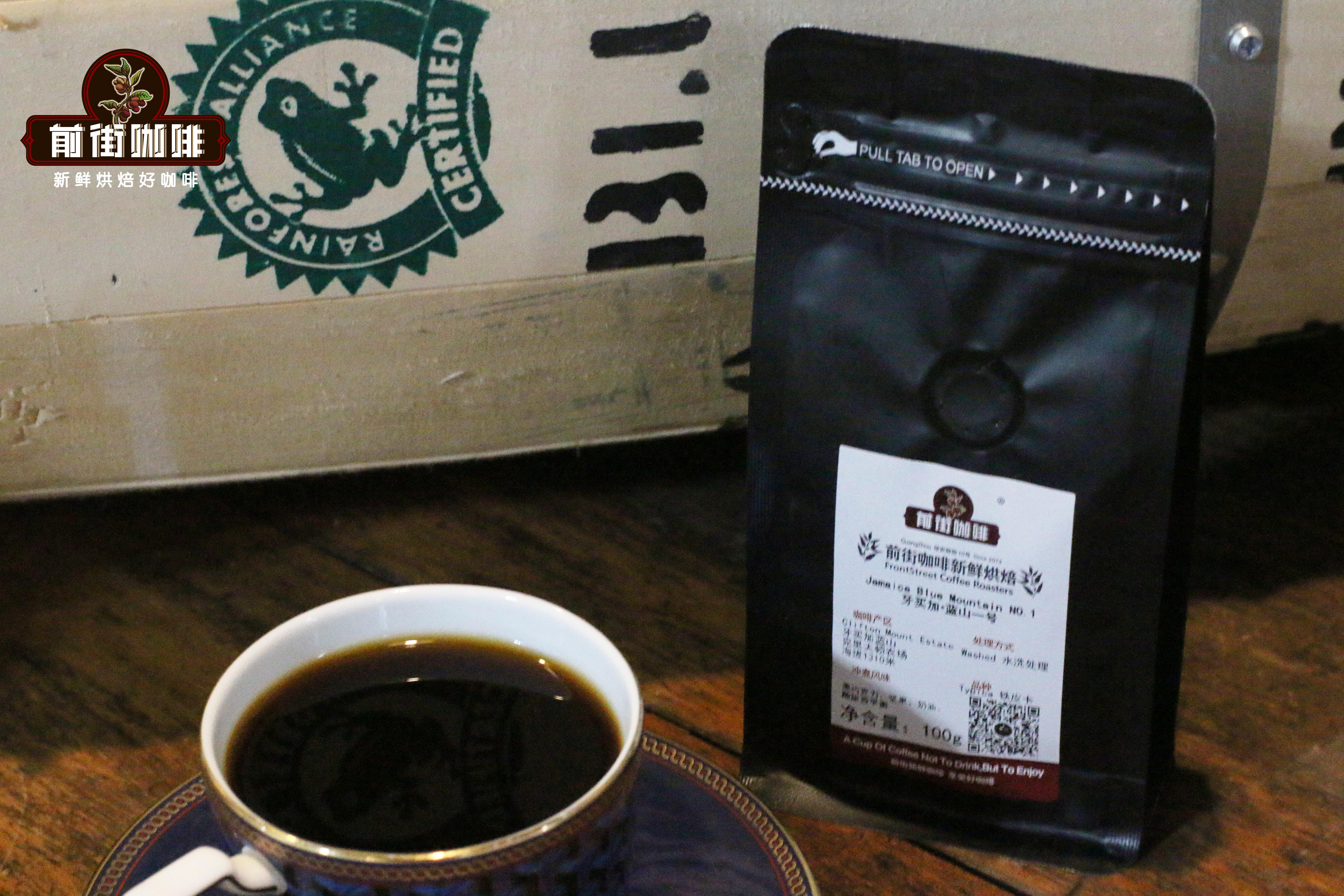
How to Identify Authentic Blue Mountain No. 1 Coffee Beans? A Comprehensive Analysis from Barrel Certificates to Bean Appearance and Flavor
Blue Mountain coffee is produced in the Blue Mountains of Jamaica at elevations between 910 and 1,700 meters. The variety is Typica, and it is known for its balanced acidity, sweetness, and bitterness, full and solid body, long-lasting sweet aftertaste, and absence of burnt bitterness. Because annual production is limited, authentic Blue Mountain No. 1 coffee beans in China usually sell for 150 to 400 yuan (100 to 200 grams), while products labeled "Blue Mountain flavor" or "Blue Mountain blend" are not true Blue Mountain coffee. This article systematically introduces the methods baristas use to identify authentic Blue Mountain No. 1 from perspectives such as the wooden barrel and certificate, bean size and uniformity, appearance characteristics, and raw bean color. It also compares the flavor performance of washed and natural processing methods and shares Front Street Coffee's brewing parameters and techniques to help enthusiasts build a clear identification framework. [more…]
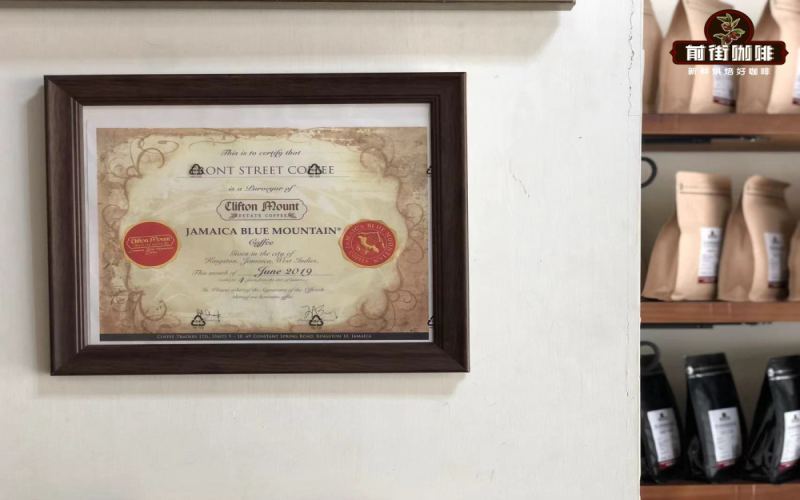
How to Identify Authentic Jamaican Blue Mountain? CIB Grading Explained and Front Street Blue Mountain No. 1 Flavor & Brewing
Blue Mountain coffee is regarded as a legendary name in the world of single-origin coffee, but counterfeit products marketed under the Blue Mountain banner are endless, making how to buy the real thing a concern for many enthusiasts. This article will explain how to identify authentic Front Street Blue Mountain coffee from aspects such as handcrafted oak barrels and official certification certificates, outline the functions of the Jamaica Coffee Industry Board (CIB), the legally designated growing regions and grading standards for Blue Mountain coffee, and share the medium-dark roast flavor profile of Front Street Blue Mountain No. 1—a balanced sweetness interwoven with dark chocolate, hazelnut, and caramel—along with a complete pour-over recipe using the KONO dripper, taking you to experience the rich charm of this legendary coffee. [more…]
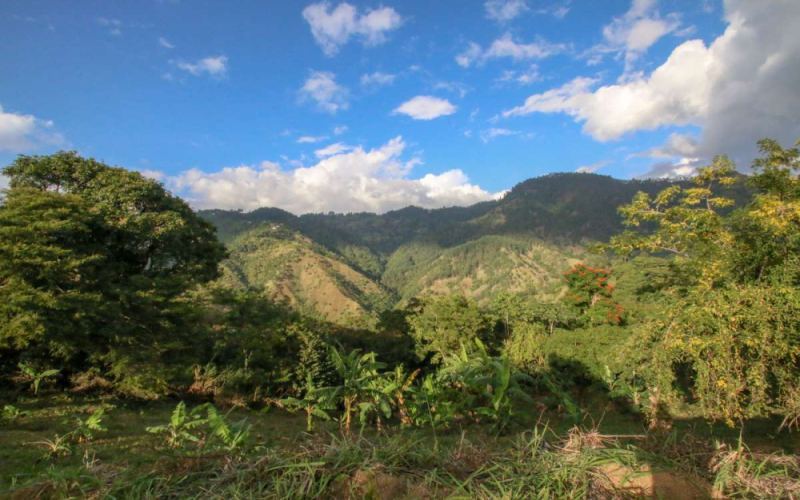
Jamaican Blue Mountain Coffee Pour-Over Guide: A Comprehensive Analysis of How to Identify Authentic Blue Mountain Beans and Their Flavor and Taste
Blue Mountain coffee is hailed as the finest of coffees, yet the differences between the Blue Mountain flavors, Blue Mountain blends, and authentic Jamaican Blue Mountain on the market are enormous. How exactly can one identify true Blue Mountain coffee beans? And what justifies its high price? Starting from Front Street Coffee's experience in sourcing authentic Blue Mountain beans, this article systematically sorts out the origin grades, wooden barrel packaging, and certificate identification techniques of Blue Mountain coffee, and shares in detail the pour-over parameters and flavor performance of Clifton Estate Blue Mountain coffee, guiding you to a comprehensive understanding of this classic coffee that combines acidity, bitterness, sweetness, and body in one. [more…]
How to Determine the Grind Size for Hand-Brewed Blue Mountain Coffee? A Detailed Guide to the Little Fuji Setting 4 Parameters and How to Identify Authentic Blue Mountain
Blue Mountain coffee is hailed as the benchmark of the coffee world, but many people are unclear about how fine the grind should be for pour-over, what water temperature to use, and how to pair it with different brewing devices. This article focuses on a 4-degree grind on the Little Fuji grinder, organizing everyday brewing parameters for drippers such as V60, Kalita, and KONO, while also adding extraction suggestions for French press, siphon, and AeroPress. The article will also clarify a common misconception: the large number of so-called "Blue Mountain flavor" and "Blue Mountain blend" coffees on the market actually have nothing to do with real Blue Mountain—they are simply blended beans that imitate the flavor. Finally, from four dimensions—appearance, grinding feel, aroma, and taste—it teaches you how to identify genuine versus fake Blue Mountain, and retains relevant recommendation information for Front Street Coffee Blue Mountain. [more…]
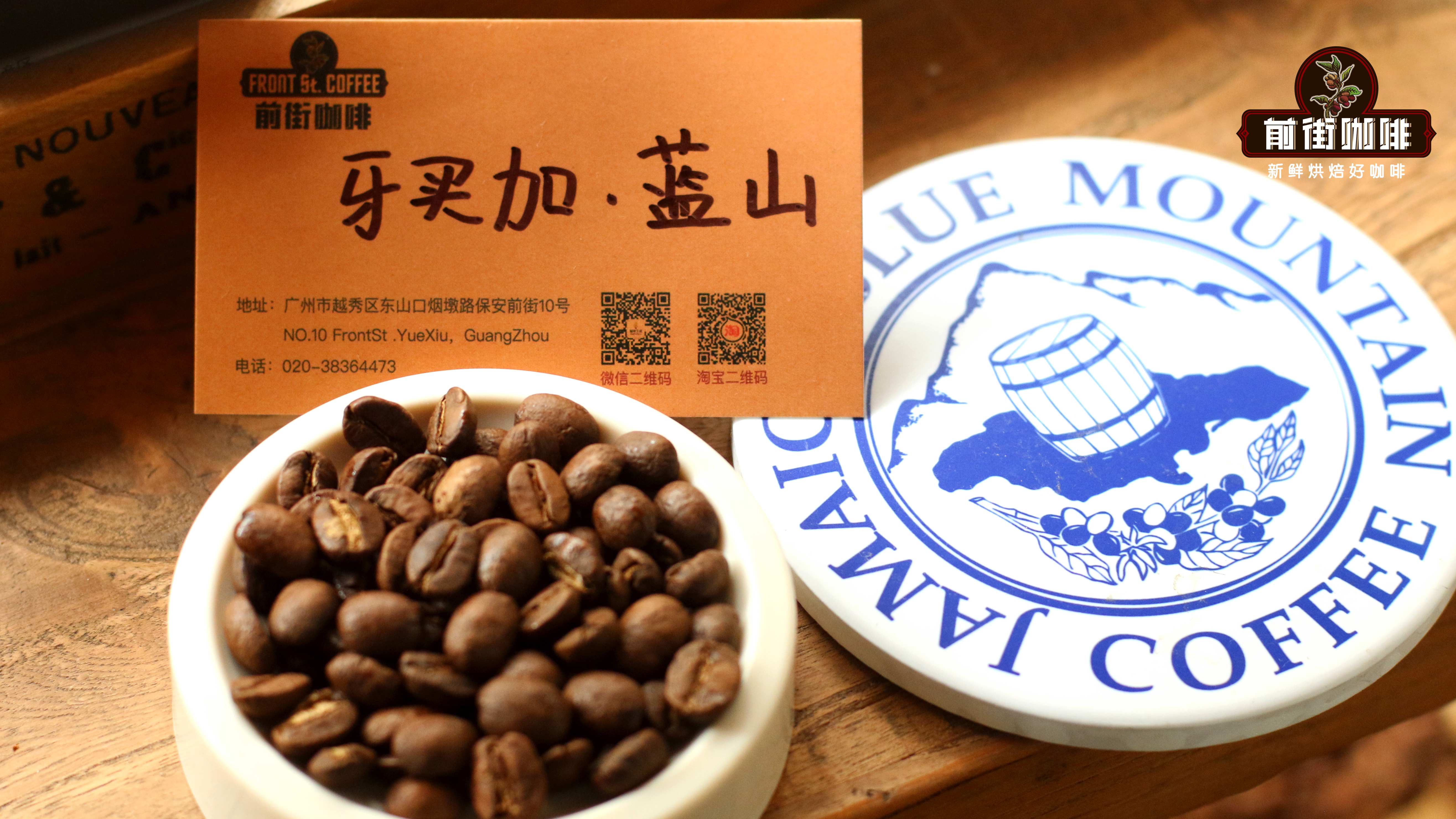
How to Identify Authentic Jamaican Blue Mountain Coffee? Front Street Coffee Pour-Over Parameters and Three-Stage Pouring Practical Guide
The market is flooded with coffee products branded under the name "Blue Mountain," from Blue Mountain flavor to three-in-one instant mixes, yet beans truly originating from Jamaica's Blue Mountain range are actually very few. This article teaches you how to identify authentic Blue Mountain coffee from three angles: certificates, green bean appearance, and aroma and taste; at the same time, using the medium-dark roasted Front Street Blue Mountain as an example, it provides a complete pour-over method with a Kono dripper, 15g of grounds, 87-88°C water temperature, a 1:15 coffee-to-water ratio, and a three-stage pour, helping you brew a cup that is full-bodied and combines caramel sweetness with nutty and chocolate flavors. [more…]
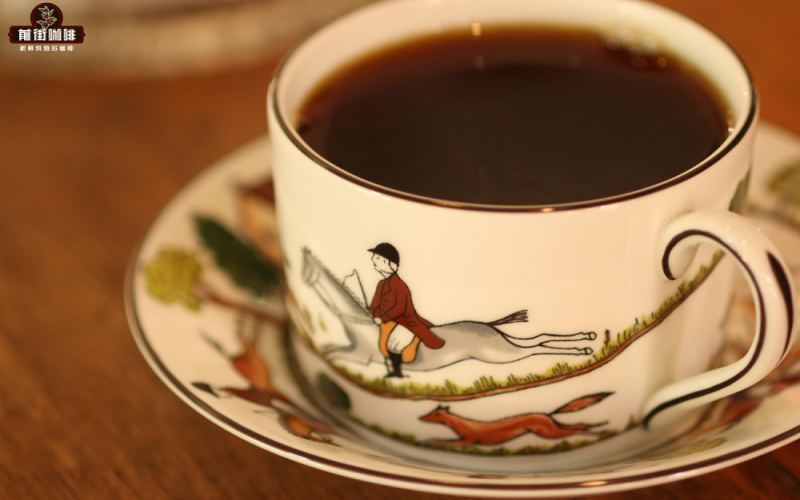
Behind the Huge Price Gap in Blue Mountain Coffee: How to Identify Authentic Blue Mountain Beans and an Analysis of Front Street Brand Pricing
Blue Mountain coffee is hailed as the "King of Coffee" for its balanced flavor and historical prestige, but the market is flooded with inexpensive counterfeit products. In this article, Front Street Coffee walks you through the definition of authentic Blue Mountain coffee beans, their grading system, and their import history, as well as the purchasing channels and prices for the Front Street brand. We also break down three types of "Blue Mountain coffee" that are obviously fake at a glance—including instant coffee, flavored blends, and ultra-low-priced products—to help you avoid consumer traps and tell the real from the fake. [more…]
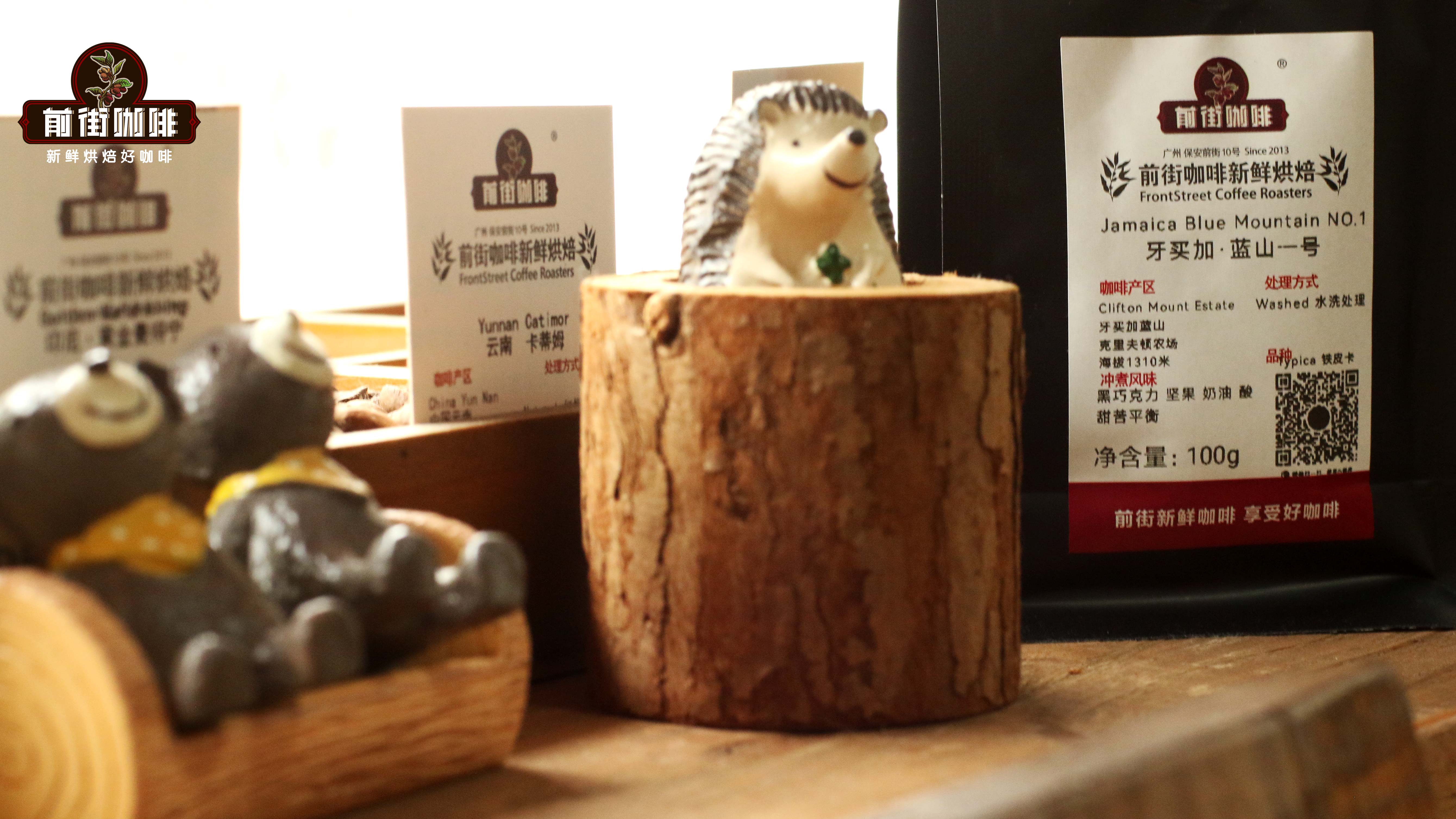
A Complete Guide to Authenticating Jamaican Blue Mountain Coffee and Understanding Its Grade Certification: Front Street Coffee Teaches You to Identify Genuine Blue Mountain by Price, Barrel, and Certificate
Jamaican Blue Mountain coffee is renowned worldwide, but the market is full of imitations. How can you confirm whether the Blue Mountain in your hands is authentic? This article starts with Front Street Coffee's Blue Mountain No. 1, systematically outlining the three keys to identifying genuine Blue Mountain—price range, wooden barrel packaging, and certificate of origin—and takes a deeper look at the CIB's grading standards for Blue Mountain, explaining why Blue Mountain No. 1 qualifies as the highest grade. It also introduces Front Street's philosophy and flavor presentation when roasting Blue Mountain, helping coffee lovers make more accurate judgments when purchasing and tasting. [more…]
From Appearance to Flavor: Master Five Key Points to Easily Identify Authentic Jamaican Blue Mountain Coffee
Blue Mountain coffee is hailed as the pinnacle of the coffee world, but the market is full of mixed offerings, making authentication a concern for many enthusiasts. This article starts with Front Street Jamaican Blue Mountain coffee and systematically introduces the key points for identifying authentic Blue Mountain coffee across five aspects: appearance, grinding feel, aroma characteristics, balance of taste, and the overall experience during tasting. By observing the color and shape of the green beans, the crispness during hand grinding, the richness and density of the aroma, and whether it achieves perfect balance on the palate, you can gradually build an understanding of genuine Blue Mountain coffee and avoid being misled by blended beans. [more…]
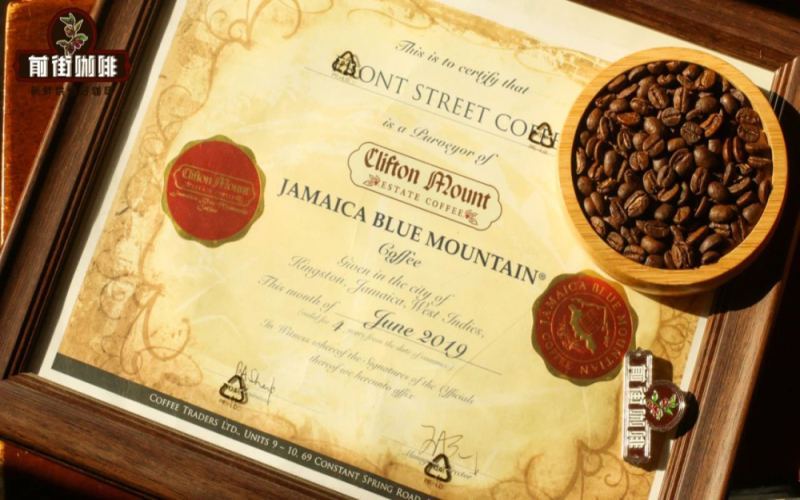
Jamaican Blue Mountain Coffee Grading Standards and How to Identify Authentic Beans: Front Street Blue Mountain No. 1 Flavor and Brewing Parameters Explained
Blue Mountain coffee, as one of the world's recognized top specialty coffees, has always attracted the attention of coffee lovers for its strict grading system and unique flavor profile. The Jamaican government, through the Coffee Industry Board, sets certification standards: only Typica variety grown in specific elevation zones of the Blue Mountain range can bear the name Blue Mountain. This article will systematically sort out the grading system of Blue Mountain coffee, the key points for identifying the authentic product, as well as the variety characteristics, processing methods, and brewing parameters of Front Street Blue Mountain No. 1, helping readers gain a comprehensive understanding of this legendary coffee from origin to cup. [more…]
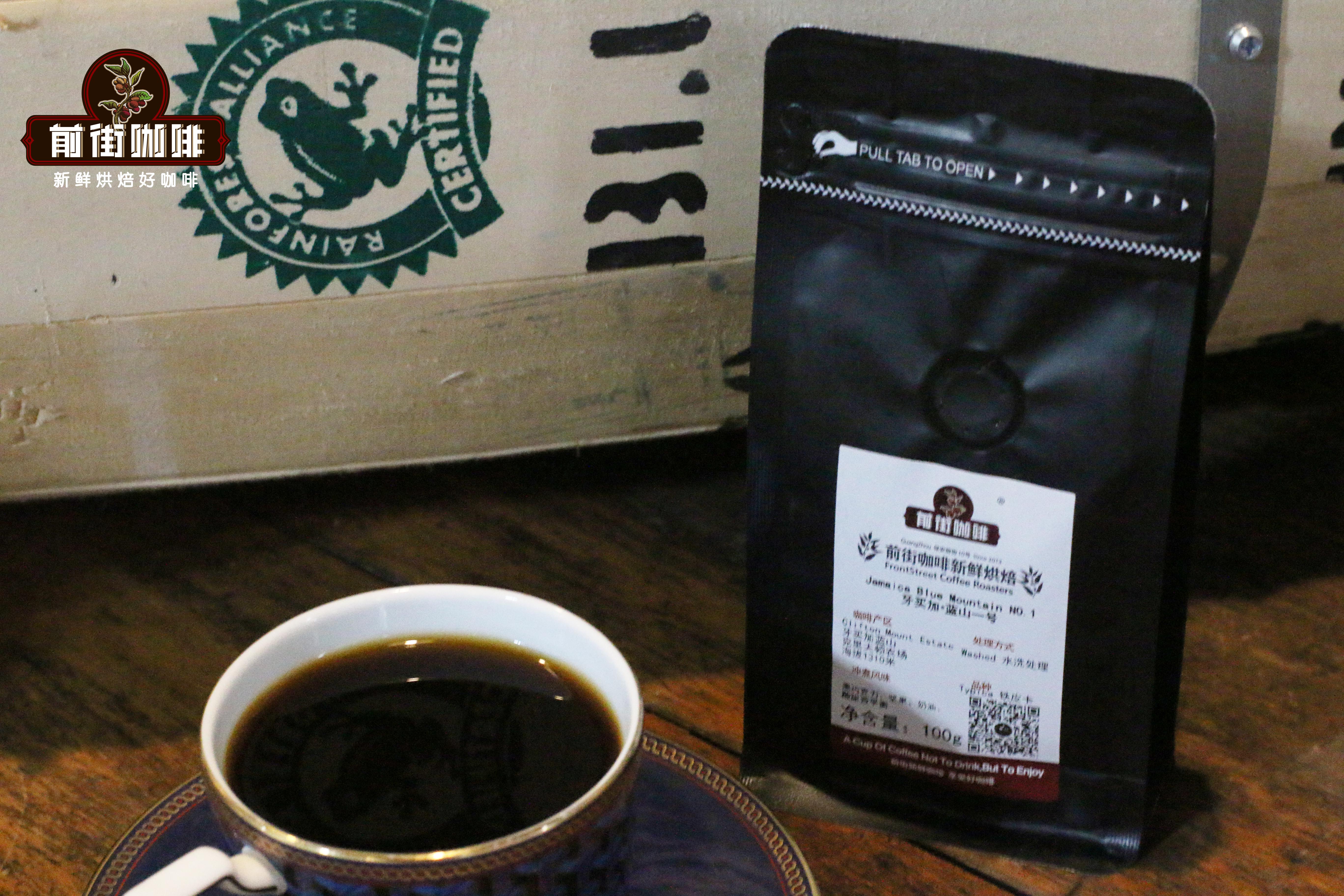
Jamaica Blue Mountain Coffee Buying Guide: How to Identify Authentic Beans, Why Prices Are What They Are, and Pour-Over Parameters Explained
Blue Mountain coffee has a famous reputation, but the market is full of both genuine and fake products. How can you identify authentic Jamaican Blue Mountain No. 1? This article starts with the legal definition of Blue Mountain coffee's designated growing region, sorts out the historical reasons behind its scarcity and high price, introduces the quality characteristics of washed Typica and the CIB grading standards, and includes a complete pour-over recipe for Front Street Blue Mountain No. 1 coffee. Whether you are a beginner just encountering Blue Mountain or an enthusiast who wants to understand its flavor and brewing logic in greater depth, you will find practical reference here. [more…]
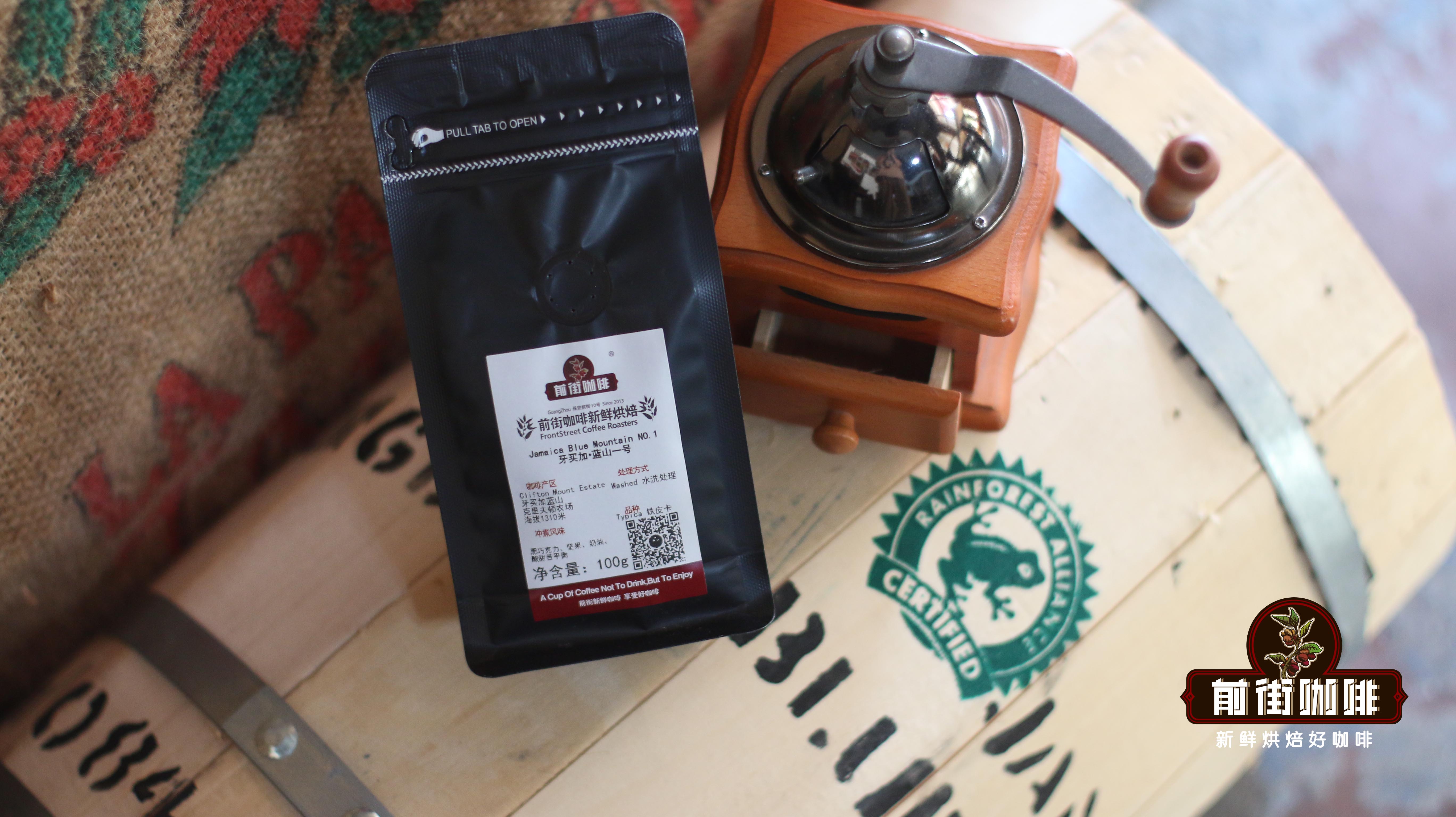
How to Identify Authentic Jamaican Blue Mountain Coffee Beans? A Complete Analysis from Origin Grading to Flavor Characteristics
Blue Mountain coffee has long been hailed as the "King of Coffee," yet market prices range wildly from affordable to exorbitant, leaving consumers bewildered by the dazzling array of products and often unable to tell genuine from fake. Although Jamaica's Blue Mountain range produces exceptional coffee, this does not mean every bean from the region can bear the name "Blue Mountain." The Jamaica Coffee Industry Board (CIB) has established strict divisions of coffee-growing regions based on altitude, and only beans grown within a specific elevation range may use the Blue Mountain coffee designation. This article will systematically sort through the grading standards and quality certification system for Jamaican Blue Mountain coffee, explain the flavor profile of authentic Blue Mountain coffee, and recommend relevant product information from Front Street Coffee, helping coffee lovers make wiser choices when purchasing. [more…]
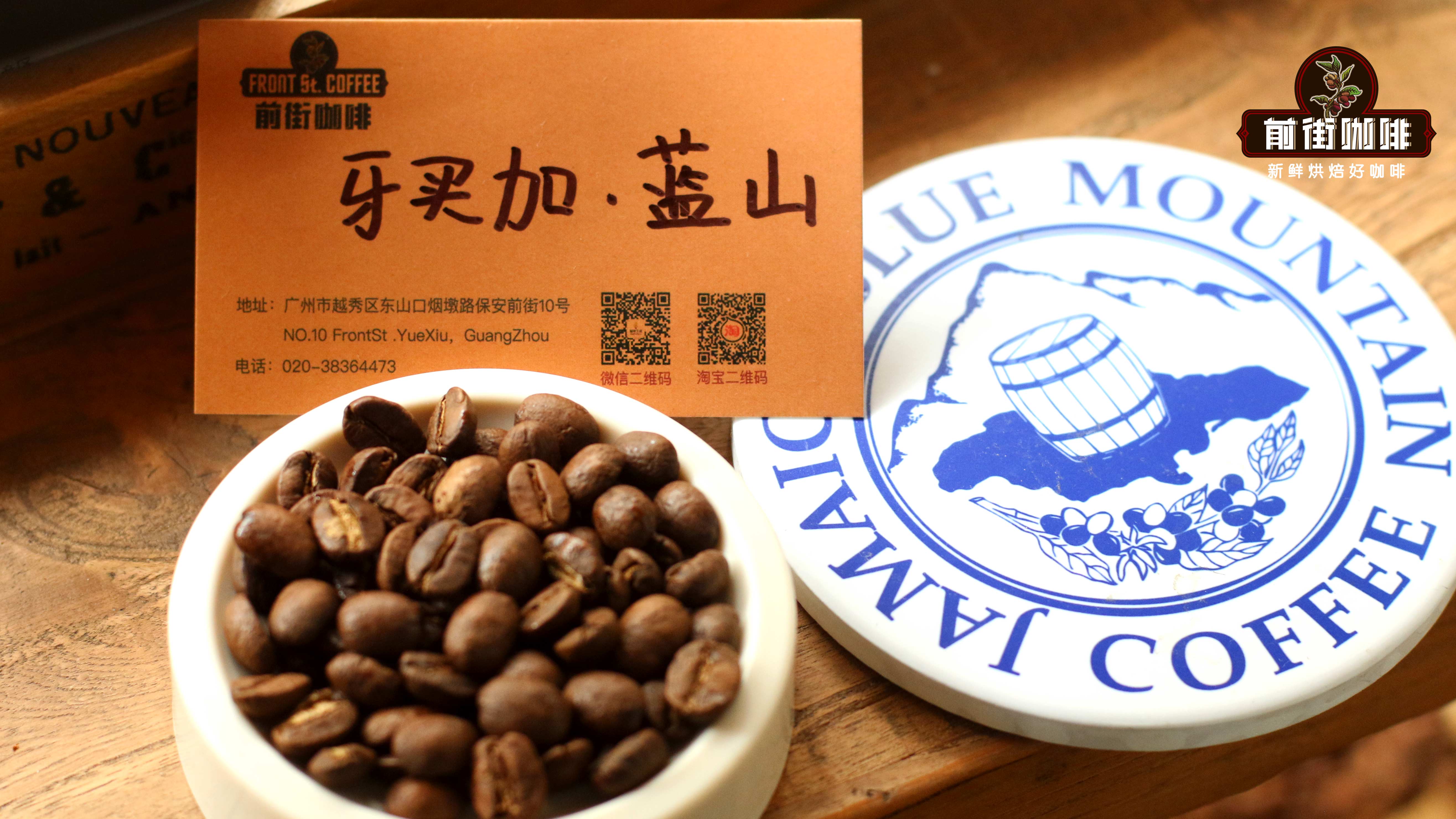
A Detailed Guide to Jamaican Blue Mountain Coffee Grades: From No. 1 to Peaberry, Teaching You to Identify Authentic Blue Mountain
Blue Mountain Coffee is one of the world's recognized top-tier specialty coffees, and its strict grading system has sparked curiosity among many enthusiasts. The Jamaican government, through the Coffee Industry Board, has set clear certification standards: only coffee grown within a specific altitude range in the Blue Mountains and of the Typica variety can bear the name "Blue Mountain." This article will analyze the Blue Mountain coffee grading system in detail, including the criteria distinguishing Blue Mountain No. 1, No. 2, No. 3, and peaberry, while also sharing practical tips on how to identify authentic Jamaican Blue Mountain coffee. Using Front Street Blue Mountain No. 1, washed and processed at Clifton Estate, as an example, it will introduce its flavor characteristics and brewing approach, helping coffee enthusiasts gain a more comprehensive understanding of this legendary coffee. [more…]
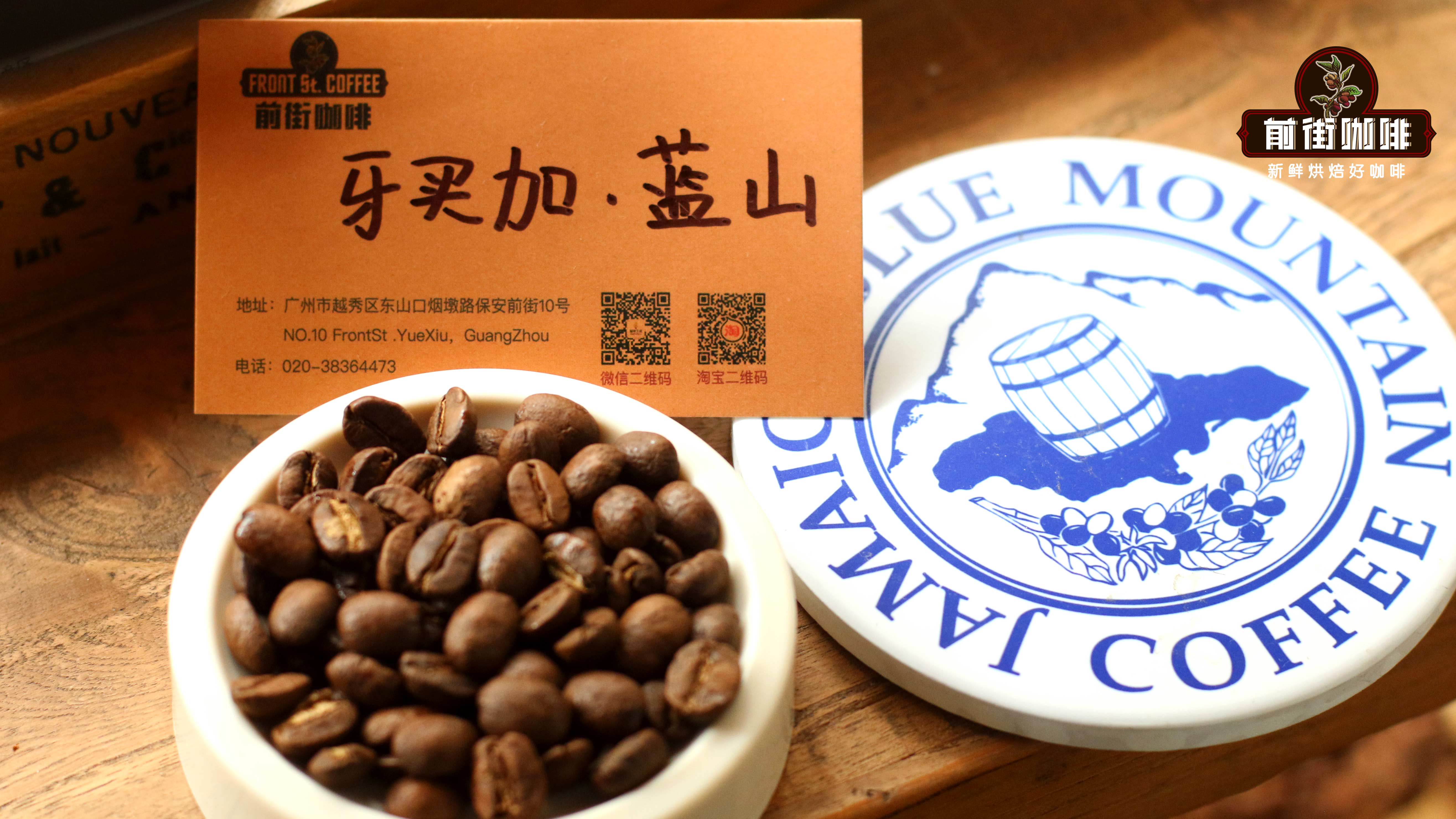
The Complete Guide to Jamaican Blue Mountain Coffee: Origin of the Name, Terroir, and How to Identify Authentic Beans
Why has Blue Mountain coffee become a legend in the coffee world? Its name comes from the blue radiance reflected off the Caribbean Sea, while its quality benefits from the high-altitude volcanic soil and the humid, foggy climate of eastern Jamaica. From the Typica variety introduced in the 18th century, to the government-led coffee revival plan in the 1950s, to Japan's long-term contracting and today's direct trade with the Chinese market, the identity of Blue Mountain coffee has always been closely tied to scarcity and strict certification. This article will systematically sort out the origin, meaning of the name, and processing methods of Blue Mountain coffee, and focus on how to distinguish genuine Blue Mountain coffee through three key points: the export company, barrel packaging, and authorization certificates. At the same time, the article will retain the Blue Mountain coffee product information recommended by the Front Street brand to help coffee lovers make clearer judgments when purchasing. [more…]
From green bean appearance to cup flavor: Five steps to accurately identify authentic Jamaican Blue Mountain coffee
Blue Mountain coffee is hailed as one of the world's top coffees, yet the market is flooded with countless counterfeits. How can you tell real Blue Mountain from fake? This article approaches the question from five dimensions to help you systematically master the methods of identification. First, observe the appearance of the green beans and how they change after roasting; next, feel the differences in texture when hand-grinding; then make a judgment based on the intensity of the aroma; finally, confirm comprehensively through the balance of the flavor and the overall experience while drinking. Genuine Front Street Jamaican Blue Mountain coffee displays unique characteristics in all five of these aspects, and these traits are precisely what blended beans find hard to replicate. Master these key points, and you too can develop a keen eye for telling real Blue Mountain from counterfeit. [more…]